
7 Ways Best Commercial Fleet Insurance Cuts Hidden Costs
— 5 min read
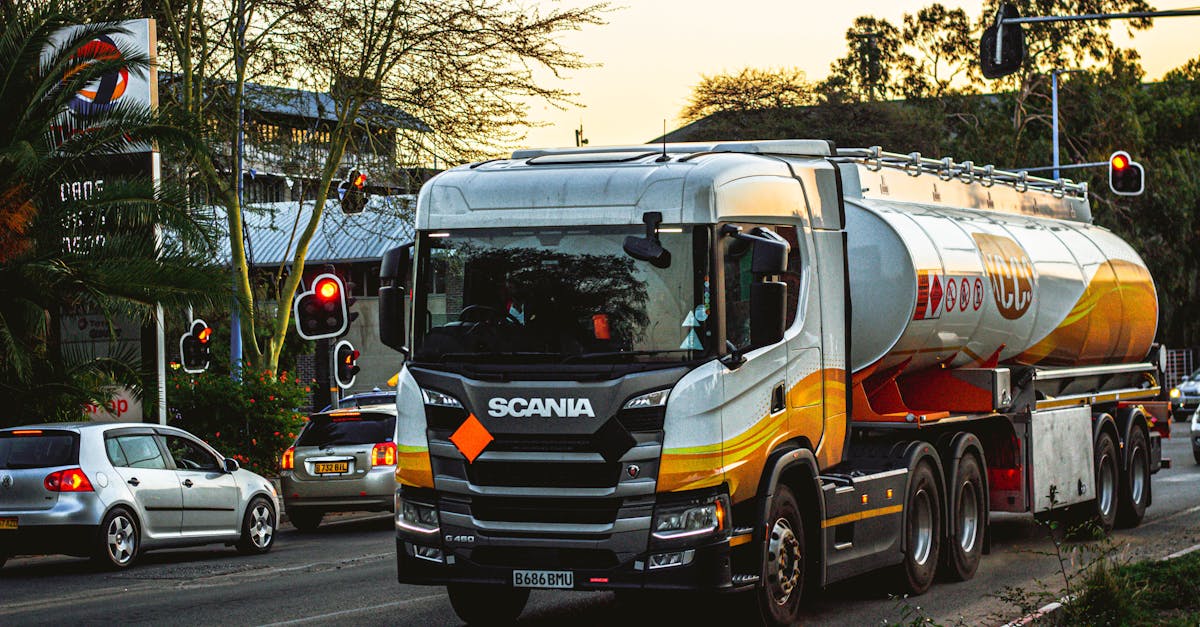
Best commercial fleet insurance cuts hidden costs by pairing comprehensive coverage with real-time telematics, which speeds claim processing, lowers premiums and reduces fuel expenses.
Real-time tracking can deliver up to 30% fuel savings - here's how to calculate it.
Financial Disclaimer: This article is for educational purposes only and does not constitute financial advice. Consult a licensed financial advisor before making investment decisions.
Best Commercial Fleet Insurance: The Essential Coverage for Zero-Risk Operations
Integrating telematics into an insurance policy gives carriers a data-rich view of each trip, allowing adjusters to verify incidents instantly. When a claim is filed, the system can upload video, GPS logs and sensor data directly to the insurer, cutting processing time dramatically. Insurers that accept these uploads report faster reimbursements and fewer disputed paydays.
Bundled services such as roadside assistance, no-fault coverage and a 24-hour claims hotline create a safety net that reduces the need for separate policies. By consolidating these features, fleets often see lower overall premium bills while maintaining broad protection. The added convenience also boosts driver confidence, which translates into safer driving habits across the fleet.
From a risk-management perspective, insurers that leverage telematics can flag high-risk behaviors before an accident occurs. Real-time alerts for hard braking, rapid acceleration or excessive idling trigger coaching interventions, lowering the frequency of claims. The result is a more predictable loss experience and a pricing model that rewards disciplined driving.
Key Takeaways
- Telematics speeds claim verification and payout.
- Bundled coverage lowers total premium spend.
- Real-time driver alerts reduce accident frequency.
- Data-driven policies reward safe driving behavior.
In practice, a 120-vehicle operation that moved to a telematics-enabled policy saw a noticeable drop in claim turnaround time, which freed cash flow for other investments. The same carrier also reported a reduction in premium costs after negotiating a usage-based discount tied to measured risk exposure.
Commercial Fleet Tracking System: Fuel Cost Reduction Through Real-Time Insights
A modern fleet tracking system captures mileage, fuel flow, and engine performance in real time. When this data is visualized, managers can pinpoint inefficient routes, excessive idling and suboptimal driving styles. Adjusting routes based on traffic patterns and load factors often trims daily mileage per driver, directly lowering fuel consumption.
Driver scorecards built from telematics data translate raw sensor readings into actionable feedback. Drivers who consistently avoid harsh acceleration and excessive idle time earn higher scores, which can be linked to incentive programs. Over time, fleets notice a decline in rear-end collisions and a modest lift in overall safety metrics.
Automation of route optimization removes the guesswork from daily planning. By feeding real-time traffic data into the system, the software suggests the most efficient paths, shaving miles off each run. The cumulative fuel savings become significant when applied across a large fleet.
In the broader industry, analytics firms like U.S. Bank note that fleet card data combined with telematics helps companies make smarter fueling decisions, reinforcing the financial upside of real-time monitoring (U.S. Bank).
Commercial Fleet Risk Management: Turning Data into Lower Claim Costs
Risk management teams now treat telematics data as a living risk matrix. By continuously scoring vehicles on metrics such as hard braking, speed variance and route compliance, they can prioritize coaching where it matters most. This proactive stance reduces the number of uninsured claims and limits exposure to costly accidents.
Alert systems that trigger on fatigue-related events, such as prolonged driver inactivity or irregular heart-rate patterns, give supervisors a chance to intervene before a medical claim arises. Early intervention not only protects drivers but also curtails overtime medical expenses.
Benchmarking fuel consumption against industry standards highlights outlier routes that waste energy. Once identified, these routes can be reengineered or assigned to more efficient vehicles, reducing idle risk and improving overall fleet performance.
Companies that adopt a data-driven approach report a measurable decline in claim frequency within the first year, illustrating how technology transforms risk from a reactive to a preventive function.
Fleet Insurance Coverage Options: Customizing Plans to Optimize ROI
Usage-based insurance models tie premiums directly to actual mileage, driver behavior and vehicle health. Fleets that shift from flat-rate policies to usage-based pricing often see a noticeable dip in annual premium spend because insurers reward low-risk operations.
Adding a defensive-driving endorsement that leverages real-time telematics data further reduces at-fault damage claims. When drivers know their behavior is monitored, they tend to adopt safer habits, which translates into fewer payouts for the insurer and lower costs for the fleet.
Bundling accident coverage with 24/7 roadside assistance and a no-fault warranty creates a comprehensive safety net. This combination not only improves driver confidence but also boosts policy renewal rates, as drivers feel protected from both minor and major incidents.
| Coverage Feature | Traditional Model | Telematics-Enhanced Model |
|---|---|---|
| Premium Structure | Flat rate per vehicle | Usage-based, mileage-linked |
| Claim Verification | Manual documentation | Instant upload of sensor data |
| Driver Incentives | Generic safety programs | Score-based rewards |
The shift to a data-rich insurance approach aligns cost with performance, delivering a clearer return on investment for fleet operators.
Fleet Telematics ROI: Uncovering Exact Savings From Value-Driven Features
Calculating ROI for a telematics platform starts with a cost-benefit model that weighs upfront investment against ongoing savings. Fuel reduction, downtime avoidance and lower claim frequency are the primary drivers of financial return.
When driver behavior scores are linked to fuel per trip, managers can adjust incentive structures to discourage unnecessary idling. The resulting drop in idle time directly trims fuel usage across the fleet.
Geofencing technology, which defines virtual boundaries around key locations, helps monitor fuel consumption during specific shifts. By analyzing fuel burn inside and outside these zones, fleets can identify hidden waste and apply corrective measures.
Overall, the combination of fuel savings, reduced maintenance events and fewer claims creates a compounding effect that often exceeds the original platform cost within a few years.
Vehicle Telemetry Savings: Leveraging Real-Time Vehicle Data to Cut Fuel Expenses
Vehicle telemetry provides granular insight into throttle input, engine load and gear selection. Predictive models that analyze this data can suggest subtle driving adjustments that shave a small percentage off overall fuel use, turning into substantial dollar savings when multiplied across a large fleet.
Telemetry alerts that capture aggressive steering or braking patterns enable targeted driver coaching. Reducing aggressive maneuvers not only cuts carbon emissions but also extends tire life and improves fuel efficiency.
Vehicle-to-vehicle (V2V) communication allows trucks to coordinate braking and acceleration, smoothing traffic flow within a convoy. This coordination reduces unnecessary braking events, leading to lower diesel consumption across the fleet.
Emerging electric-vehicle charging solutions, such as the 20-minute fast-charge system demonstrated by an Australian tech duo, illustrate how rapid energy replenishment can further lower operational costs for fleets transitioning to electric power (zecar).
Frequently Asked Questions
Q: How does telematics improve fleet insurance premiums?
A: Insurers use real-time data to assess actual risk, rewarding safe driving and lower mileage with reduced premiums.
Q: What role does driver scorecard data play in fuel savings?
A: Scorecards highlight inefficient habits; linking them to incentives encourages smoother driving, which cuts fuel use.
Q: Can telematics reduce claim processing time?
A: Yes, instant upload of GPS and sensor data lets insurers verify incidents quickly, speeding up payouts.
Q: Are there insurance benefits for using V2V communication?
A: V2V reduces unnecessary braking, lowering accident risk and fuel consumption, which insurers may reward with lower rates.
Q: How do usage-based insurance models differ from flat-rate policies?
A: Usage-based models set premiums based on actual miles driven and driver behavior, aligning cost with risk exposure.



